What is work really for and can our jobs give us everything we need? If not, why do we keep expecting them to, and what does it cost us emotionally? How can we change to get the balance right?
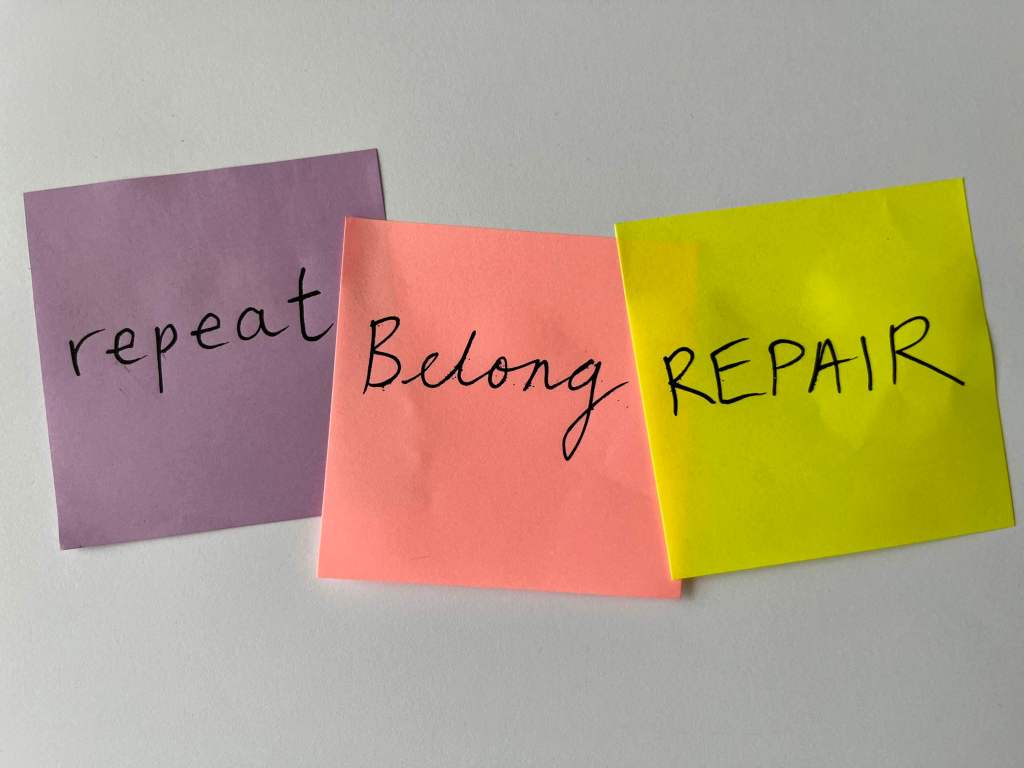
Beyond earning a living, I believe there are at least three things we use work for that make our jobs more fraught than they need to be:
- The need to repeat
We can’t understand our experience of work without considering the family we grew up in. Our relationships with our parents, caregivers, brothers and sisters in childhood shape how we relate to people and groups in adulthood. They particularly inform how we treat authority figures, peers and people we manage and lead – in positive and negative ways. We can often repeat behaviours as if work colleagues were those important family members without realising it. We can also choose jobs and companies because they give us a chance to replay old roles and situations. The trouble is, this can impact the way we see our boss, our colleagues and how we feel about ourselves and our work in a way that is not directly linked to the real situation.
So as well as earning a living, we go to work to recreate familiar family situations, but in unknowingly repeating them we can cause ourselves and others avoidable upset.
2. The need to belong
Most of human life is experienced in a group of some sort. But belonging to a work group can be challenging, not least as we struggle to balance our need for an individual identity – to be ‘me’ – with our group identity – to be ‘one of us’. Our organisation often asks us to sacrifice aspects of our individuality in favour of its culture, customs, processes or rules. This can be positive, particularly if it supports or relates to aspects of professional identity, credentials or status and we can gain a great deal – from pride to career opportunities – by identifying and being identified with our organisational group. However, it can also present challenges that take their toll on our experience of work, particularly when group dynamics take over. These group dynamics are complex but help people to manage anxiety about the difficulties of their work and the group they are part of, many of which are specific to the type of organisation or work being done. They can vary between becoming dependent on a leader, finding a common enemy, running away from the problem, imagining a perfect future and veering between feeling like part of a whole and totally isolated – all of which feel right at the time, but are often nothing to do with the actual work of the organisation. In fact, they are the opposite of work.
So as well as earning a living, we go to work to be part of a group, but groups have dynamics of their own that can help to achieve our aims or sabotage them.
3. The need to repair
Productivity is a major preoccupation in the workplace. Not only are organisations constantly trying to increase productivity – or the rate of output per unit of input – but the pressure on people to deliver more with less is increasing all the time, not least in the context of AI. This is no doubt a function of a broader commercial system that expects continual growth in revenue and profit, but could it relate to a more profound human need? Why do we need to feel productive in the first place and why is it so painful to feel we are not productive enough?
Psychoanalytic theory suggests that one driver of human productivity and creativity is the need to make reparation. This stems from reducing the guilt we felt in early life about being angry with the parents we also loved and depended on when we felt they let us down. As part of our development, we learn to make things better – repairing mistakes, being kind to the people we care about and feeling gratitude towards those we depend on – all of which helps to make up for our less positive feelings.
In childhood, this can translate into creative play, games, artistic and learning achievements – the first kinds of productivity where we make something of value that the people closest to us appreciate and reward. As we enter adulthood and seek greater independence, the need for money creates a further practical motivation for the same sorts of activities and satisfactions – collaborating with others, solving problems, helping people, making things – that the work environment provides.
So as well as earning a living, we go to work to be reparative through productivity. When we can’t be productive, early feelings of guilt can resurface.
So what does this mean for our experience of work?
We pursue these three needs – and others – often without consciously realising it, which can lead to difficulties and frustrations. Not only when they don’t quite meet the need, but also when trying to satisfy them means we encounter unexpected secondary problems, or sacrifice other important aspects of our lives like time, relationships and wellbeing.
Understanding these needs in relation to our work helps us to do several things:
- Firstly, we can understand our more irrational feelings and experience at work more clearly: why do we love or hate our boss; why do we find our colleagues helpful or irritating; why did we choose this job?; why is this team or project not effective?; why do we feel frustrated or stuck in our career?
- Secondly, we can begin to adjust our behaviours and expectations to reduce unnecessary stress and pain, and increase pleasure and satisfaction in our current work.
- Thirdly, we can think more clearly about the work we do and the organisation we do it in, to make sure both are giving us what we really want, or if we need to change.
Most importantly, I think we ask work to do too much, and it often lets us down as a result. The better we can put work into perspective and understand our real needs, how they can be met and what work can realistically offer, the more likely we will feel better at work and more generally.
These reflections are informed by my training and practice in systems psychodynamic consulting, leading and coaching and draw on the research and writing of thinkers in the Tavistock tradition as well as my own professional experience.
If you are interested in executive coaching that draws on this model of understanding our personal, role and organisational experience of work, please get in touch.
 Tom Jukes-Adams - Executive Coach